Hornets News
Justice for Tidjane
Why the resurgence of one of the Horents brightest stars is good for the Hornets, good for the NBA and good for basketball as a whole...

Jeff TestaneroStaff Writer

Everyone loves a comeback story...
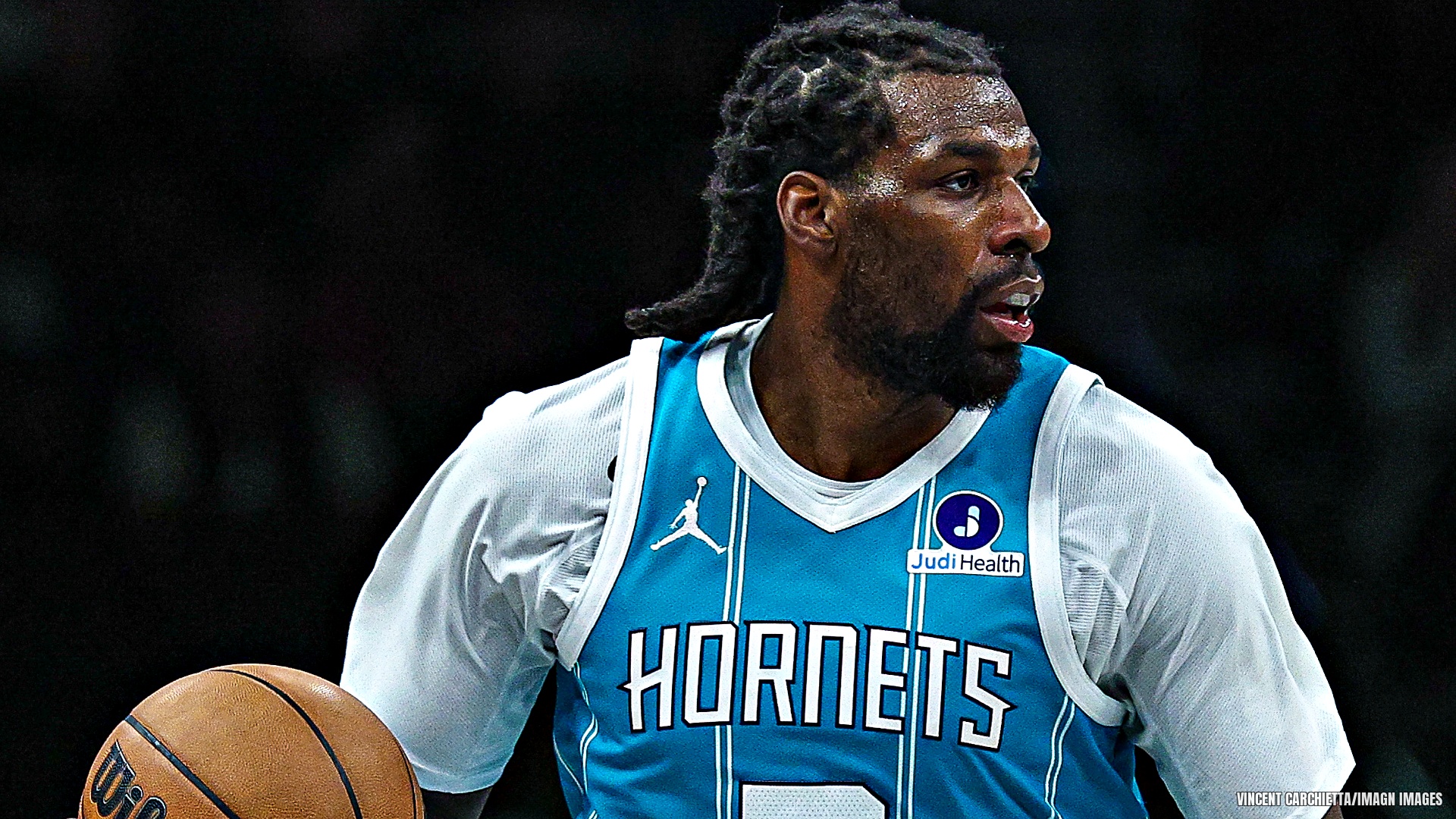
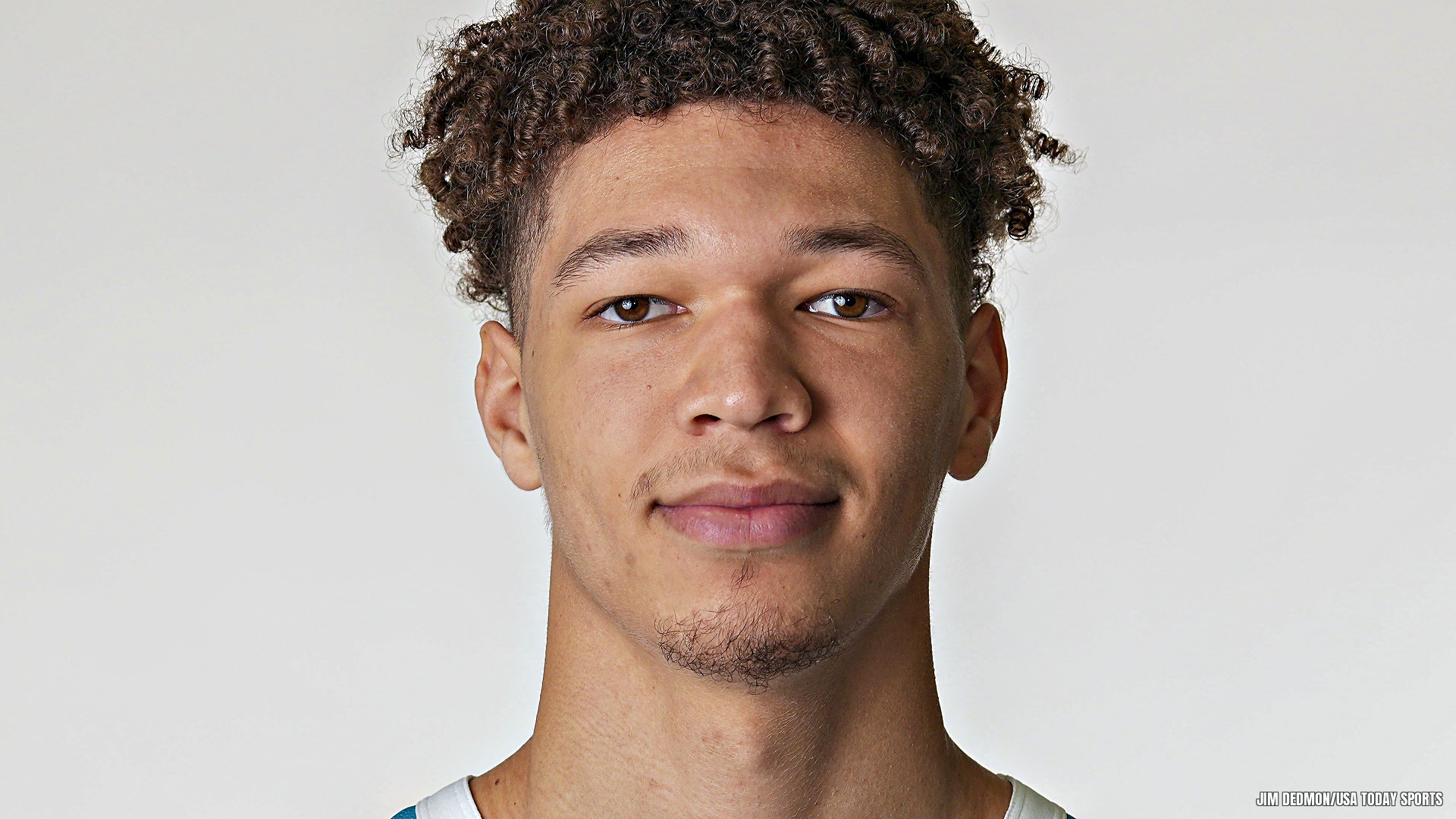
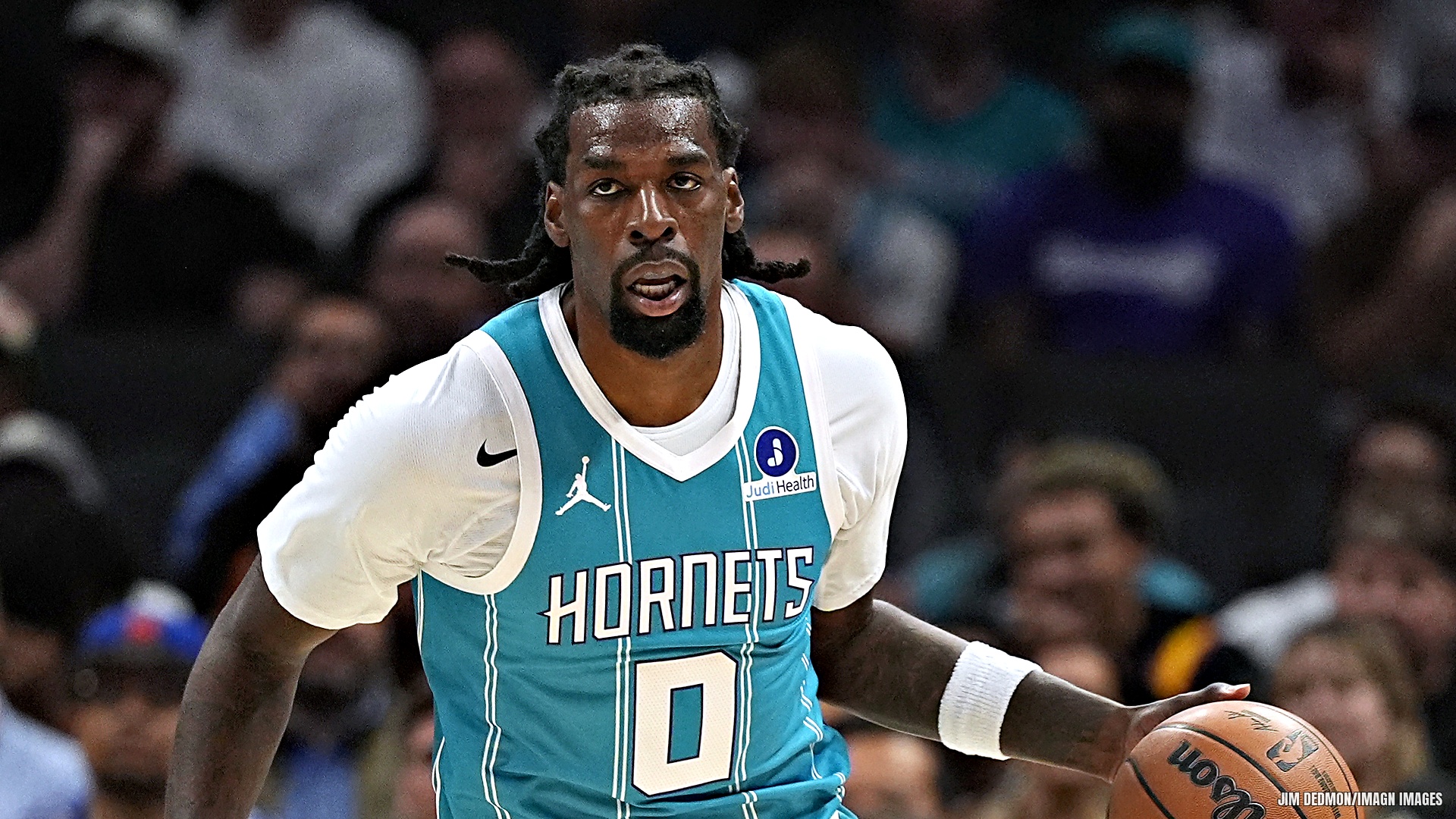
The Hornets have already declined their financial commitment to Tidjane Salaün beyond this season. They should be careful about reaching a final basketball verdict just as he is giving them reasons to reconsider.Charlotte declined the former sixth overall pick’s fourth-year option for 2027-28, putting uncertainty around his future with the franchise. That decision gives his recent performances added significance: a young player whose long-term place is in question is producing basketball worth watching.
My position is simple: Salaün has earned a sustained opportunity to show whether this recent stretch can become something dependable.
His last three appearances have produced nine points against Brooklyn, 13 against Boston and 14 against Cleveland. Across those games, he made eight of 16 three-point attempts and averaged 12 points in roughly 17 minutes. Those are modest scoring totals by NBA standards, but meaningful contributions from a player working with limited time.
The Cleveland performance was especially encouraging. Salaün scored all 14 of his points before halftime, making his first four shots as Charlotte built a 16-point lead. He helped establish an advantage in a game the Hornets eventually won 124-112 to end a six-game losing streak. First-half performance.
That is the kind of contribution Charlotte should value. A developing player’s progress becomes more persuasive when it helps shape a competitive game.
Through 10 appearances this season, Salaün is averaging 6.9 points and 3.4 rebounds in approximately 15 minutes, shooting 46% overall and 40% from three. He is offering usable offense without needing a large share of the possessions. Season statistics
For a Hornets team that has endured some miserable offensive nights, that matters. A forward who can make an open three gives the lineup another option. If that shooting holds, opponents have another player to account for when they help toward Charlotte’s primary scorers.
Still, the case for Salaün deserves honest numbers.
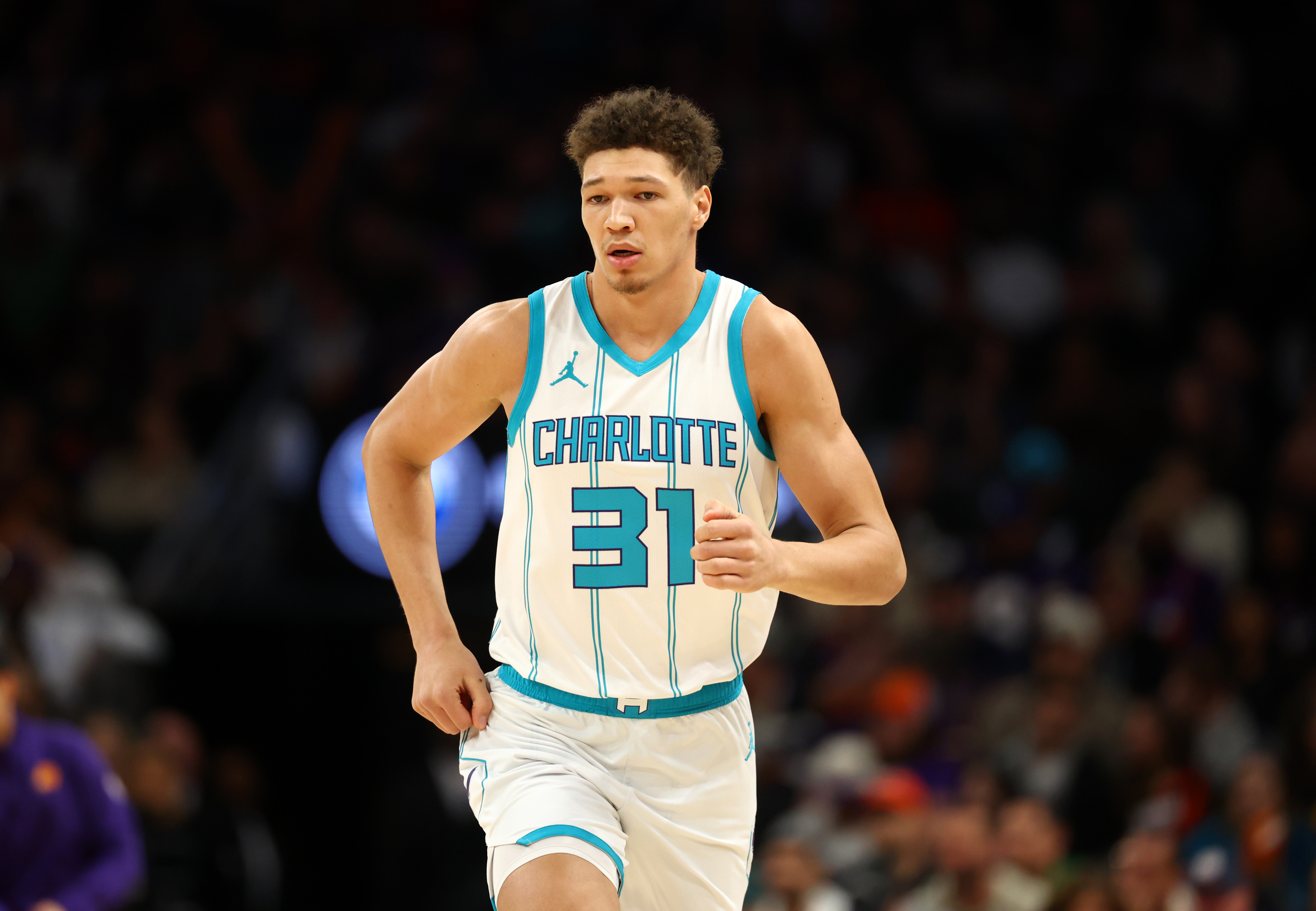
Last season, he averaged 6.0 points and 4.0 rebounds, shooting 50.3% from the field and 43.4% from three across 37 games. His current shooting percentages are lower, and his rebounding average has dipped. This season is not a sweeping statistical leap.
The stronger argument is that his recent performances are reinforcing evidence that began to emerge last year. After shooting 33% overall and 28.3% from three as a rookie, he has supplied a much more credible perimeter threat over the subsequent two seasons. The sample remains limited, but there is a development story here that deserves more attention than an old draft-night verdict.
That distinction is important because Salaün will always be judged against where Charlotte selected him. Expectations attached to the sixth pick are substantial. Fans are entitled to question whether the return has justified the investment.
But the coaching staff’s next decision should concern what he can contribute now. Draft position explains the expectations; it should not prevent a fair evaluation of the player in front of them.
At 21, Salaün still has significant work to do. His 0.1 assists per game this season illustrates how little playmaking he is currently providing. The Boston outing also offers useful perspective: his 13 points came on 3-for-11 shooting. A double-digit total alone does not establish a strong performance.
He needs to make quicker reads, contribute when the jumper misses and prove he can be trusted across a wider range of situations.
Three encouraging games cannot answer those questions.
They can justify giving him the chance to answer them.
Charlotte should establish clear expectations for his role and assess him over a meaningful stretch. Can he keep providing spacing? Can he rebound consistently? Can he make the simple pass that preserves an advantage? Can his contributions survive the return of healthier, deeper rotations?
Those are useful tests. Every good night should not trigger a declaration that he has arrived, and every difficult one should not send the conversation straight back to whether he should have been drafted.
The decision to decline his option may ultimately prove financially sound. His recent play does not settle that debate. It does, however, make continued evaluation essential.
Salaün’s resurgence is still taking shape. The encouraging part is that he is giving Charlotte more than hypothetical upside: he is supplying stretches of actual production.
He has earned the chance to make those stretches last.
Discussion
No replies yet. Be the first to call it.
Keep reading